Easy Gourmet Hot Dog Ideas for Any Occasion

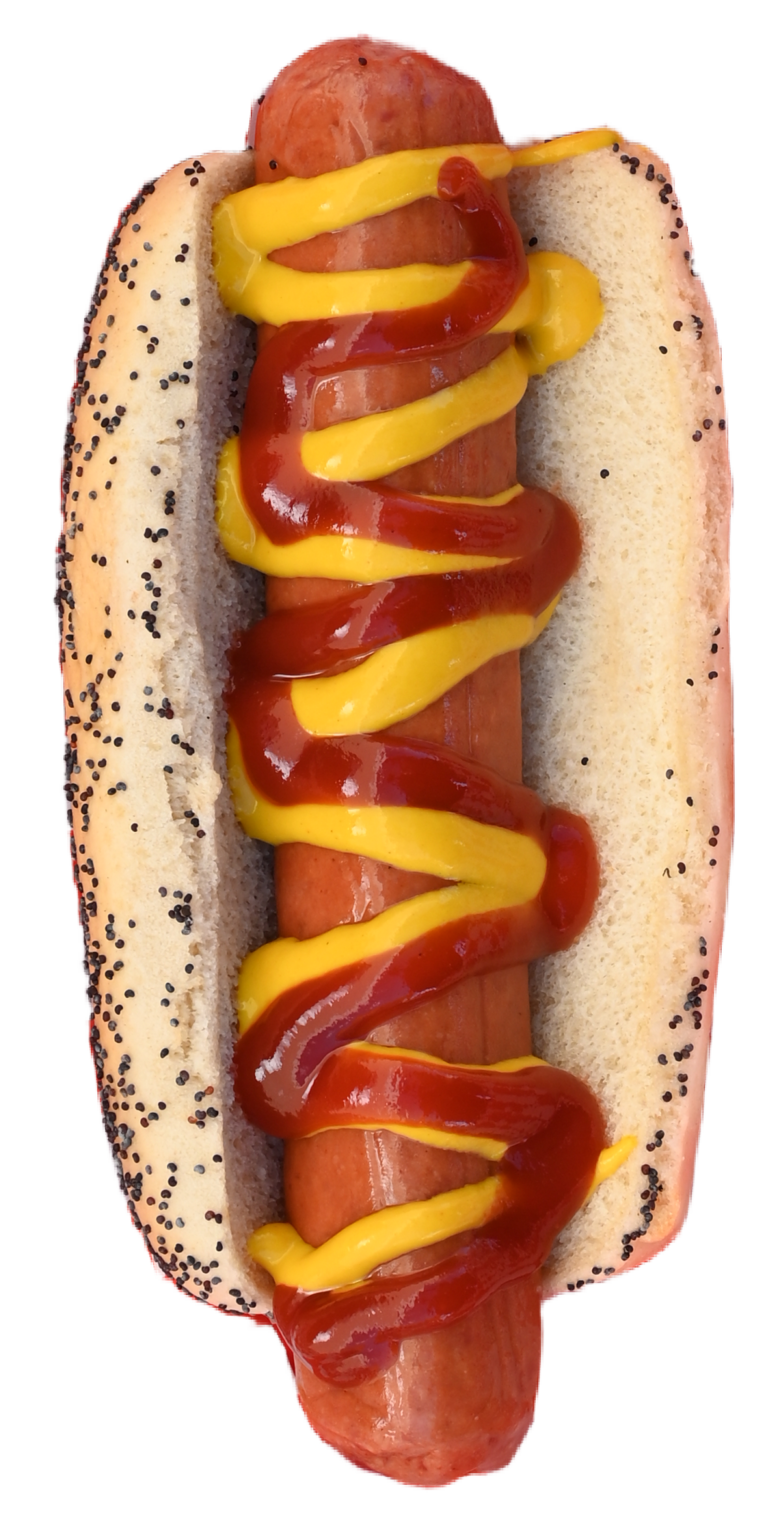
There is a point where a hot dog stops being an afterthought and starts acting like a real dish. Usually, that change has less to do with luxury ingredients than with better decisions. A good sausage with some snap, a bun that can hold its shape, a topping that brings acid or crunch, and heat applied with a little restraint, that is often enough to make people pause after the first bite and ask what you did differently.
I have seen this happen at backyard cookouts, office lunches, weeknight dinners, and late evening gatherings where nobody planned to serve anything ambitious. The hot dog has an unusual advantage in the kitchen. It is familiar, inexpensive compared with most proteins, and quick to cook, yet it takes well to thoughtful upgrades. You can make it feel playful, polished, regional, rich, or unexpectedly fresh without turning dinner into a project.
The easiest path to a gourmet hot dog is not piling on more ingredients. It is understanding balance. Salty sausage needs brightness. Soft bread wants contrast. Rich toppings benefit from something sharp, bitter, or crisp. Once you keep those relationships in mind, you can build combinations that feel deliberate instead of messy.
What makes a hot dog feel gourmet
People often assume gourmet means expensive, rare, or overly complicated. In practice, the best upgraded hot dogs usually rely on small refinements. A butcher-made frank or a high-quality all-beef dog is an obvious improvement, but the bigger shift often comes from texture and seasoning. Finely sliced pickled onions do more than a random spoonful of relish. Toasting the bun in butter creates structure and flavor. Char from a grill gives the sausage definition, especially when the toppings are creamy or sweet.
Temperature matters too. A hot dog that comes off the grill steaming hot can support cooler garnishes like slaw, herb yogurt, or diced tomato without feeling flat. If everything on the bun is warm and soft, the whole thing reads heavy. If everything is cold and crunchy, the sausage becomes disconnected from the toppings. The most successful combinations have some internal contrast.
Another detail that separates an average hot dog from a memorable one is scale. Oversized toppings look generous, but they make each bite inconsistent. Thin slices, fine shreds, and spoonable condiments work better than big chunks. That is especially true for onions, pickles, and cheese. A gourmet hot dog should still eat like a hot dog, not like a sandwich falling apart in your hands.
Start with the right foundation
The sausage is the center of the dish, so it deserves more attention than it often gets. A basic supermarket frank can still work if the toppings are handled well, but premium brands usually give you firmer texture, cleaner seasoning, and less water loss during cooking. All-beef hot dogs have the strongest traditional flavor. Pork blends can be juicier and a little rounder. Chicken dogs can be useful if you want a lighter base, though they need bold toppings to avoid tasting muted.
Buns are usually where people cut corners. That is a mistake. A hot dog bun should be soft enough to compress slightly when bitten but sturdy enough to resist soaking through. Brioche can be excellent, though some brands run too sweet. Potato buns are reliable because they hold moisture without turning gummy. Split-top buns are especially helpful if you like to toast the sides in a skillet or on a griddle.
A few principles make a visible difference every time:
- Dry the hot dog before grilling or searing so it browns instead of steams.
- Warm or toast the bun every time, even if only for 30 seconds.
- Use one rich topping, one bright topping, and one textural element.
- Keep wet condiments moderate so the bun stays intact.
- Finish with something fresh, even if it is only chopped herbs or a squeeze of lemon.
Those five habits do more for the final result than buying a long list of specialty ingredients.
Cooking methods that actually change the result
Grilling remains the classic choice because it gives the hot dog smokiness and color with very little effort. Medium heat is usually enough. Too much flame splits the casing before the interior heats through, and you end up with dry edges. I like to roll the dogs gradually rather than leave them stationary. That gives better overall browning and prevents deep scorching on one side.
A cast-iron skillet is underrated. It creates a more even crust and is easier to control when you are cooking indoors or for a smaller group. A little oil or butter in the pan helps, but not much. The goal is to blister the surface, not fry the sausage. This method also gives you a convenient place to toast the buns after the dogs come out.
Steaming has its place, especially if you want a softer, classic ballpark texture, but it is less useful for a gourmet result unless the toppings bring strong contrast. Simmering in water or beer can work as a holding method for a crowd, yet the hot dog almost always benefits from a quick finish on a grill or griddle to build exterior flavor.
Broiling is a decent backup when weather gets in the way. Put the dogs close enough to brown but not so close that the casing bursts immediately. Rotate them once or twice. It is not the most romantic method, but it can produce a better hot dog than many outdoor grills that are running too hot and unmanaged.
Topping combinations that feel restaurant-worthy
The easiest way to elevate a hot dog is to give it a strong point of view. Rather than assembling a condiment bar with everything under the sun, think in terms of a profile. Sharp and savory. Sweet and spicy. Creamy and charred. That clarity helps every ingredient earn its place.
Here are five combinations that work consistently well:
- Caramelized onions, grainy mustard, and a few fried shallots for sweetness, depth, and crunch.
- Sauerkraut, spicy brown mustard, and diced pickle for a classic profile with extra acidity.
- Corn relish, crumbled cotija, lime crema, and cilantro for something bright and summery.
- Bacon jam, sharp cheddar, and pickled jalapenos for a richer, pub-style hot dog.
- Cucumber yogurt, dill, thin tomato slices, and red onion for a cooler, Mediterranean direction.
Each of these can be made ahead in parts, which matters when you are serving guests. Caramelized onions hold well. Pickled vegetables are even better after a day in the fridge. Lime crema takes minutes. A simple yogurt sauce with chopped dill and grated cucumber can carry more than one meal if you have leftovers.
What makes these combinations successful is not novelty. It is proportion. The bacon jam dog works because the jalapenos cut through the sweetness and fat. The corn relish dog works because cotija adds salt while lime keeps the whole bite from leaning sugary. Even the cucumber yogurt version, which sounds restrained, needs enough onion and tomato to prevent it from becoming bland.
Matching the hot dog to the occasion
A weeknight hot dog and a party hot dog do not need the same design. The setting should shape the build.
For a casual backyard meal, the smartest move is to use toppings that can sit out comfortably for a little while and appeal to a range of tastes. Mustards, relishes, slaws, pickled onions, roasted peppers, and shredded cheese all perform well. Avocado, delicate herbs, and fresh tomatoes are better for smaller groups where you can assemble closer to serving time.
Game day calls for bolder flavors and easier handling. This is where beer-braised onions, chili, melted cheese sauce, and jalapenos shine. People are usually eating while talking, standing, or watching something, so the build can be messy but should still be coherent. A sturdy bun matters more than ever here. If I am serving chili dogs to a group, I toast the buns harder than usual and keep the chili thick. Thin chili turns the whole thing into a plate situation.
For a date night or a smaller dinner where you want the food to feel a little more polished, restraint helps. A hot dog topped with charred leeks, Dijon, and a spoonful of creme fraiche sounds more refined than a pile of six competing ingredients. Likewise, a smoked sausage with braised red cabbage and apple mustard feels composed, especially if you serve it with a crisp salad or roasted potatoes. The plate around the hot dog matters in this context. Good pickles, a cold drink, and one well-made side can make the meal feel intentional.
Kid-friendly versions do not need to be boring, but they should be easy to bite and recognize. Shredded cheddar melts better than thick slices. Mild slaw can add crunch without resistance. Small diced pickles are often accepted where larger pickle spears are pushed aside. If you are cooking for both adults and kids, choose a neutral dog and separate the adventurous toppings into bowls for self-assembly.
A few combinations worth repeating
Some gourmet hot dogs become regulars because they solve a specific mood or season.
In summer, one of the best combinations I know is grilled hot dog, charred corn relish, quick-pickled red onion, lime crema, and chopped cilantro. The relish can be made with grilled corn cut from the cob, a little minced jalapeno, scallion, lime juice, and olive oil. It tastes fresh but substantial, and https://emiliopvgm405.currentvale.com/posts/hot-dog-dinners-you-can-make-in-20-minutes it pairs beautifully with a beef dog. If you want more richness, a little cotija does the trick.
In cooler weather, a version with braised cabbage, apple slices, and whole grain mustard feels deeply satisfying without being too heavy. Red cabbage gives color, but green cabbage works as well if you cook it down with onion and a splash of cider vinegar. Thin slices of tart apple bring needed lift. This is the kind of hot dog that surprises people because it feels closer to bistro food than cookout food.
For late-night gatherings, I like a sharper, saltier direction: hot dog, mustard, sauerkraut, crispy onions, and Swiss cheese melted just enough to soften. It has enough richness to feel indulgent, but the kraut keeps it lively. If the crowd likes spice, a little horseradish mustard is even better.
One combination that sounds odd until you taste it is a grilled dog with pimento cheese and pickled green tomatoes. It works for the same reason many Southern sandwiches work. You get creaminess, tang, salt, and a little bite. If the pimento cheese is very thick, spread it on the warm bun first so it softens before the sausage goes in.
Homemade toppings that pull more than their weight
If you are willing to make one element from scratch, make it something acidic or textural. Those are the pieces that change the whole experience.
Quick-pickled onions are one of the most useful toppings in this category. Slice red onions thinly, cover them with warm vinegar, a little sugar, salt, and enough water to soften the sharpness, then let them sit for at least 30 minutes. They turn bright pink, stay crisp, and cut through rich hot dogs better than almost any bottled condiment.
Slaw is another strong candidate, especially if you keep it light. A slaw built on cabbage, vinegar, a little mayo, celery seed, and black pepper adds crunch without smothering the bun. A heavy deli slaw can overpower the dog and make the bread soggy, so aim for just enough dressing to coat.
Bacon jam gets attention because it sounds luxurious, but it only works if you control the sweetness. Too much brown sugar turns the hot dog into a candy-salty mashup. I prefer a version with onion, coffee or vinegar for bitterness, and enough bacon to stay savory. Used sparingly, it can transform a simple grilled dog into something that feels tailored for an evening get-together.
The same logic applies to cheese sauces. A smooth cheddar sauce can be excellent, but it should taste like actual cheese, not just thickened milk. Add mustard or a little hot sauce to sharpen it. Keep the consistency spoonable rather than runny. Once it gets too loose, the bun does not stand a chance.
How to serve a crowd without losing quality
The challenge with hot dogs for a group is timing. Sausages can go from juicy to wrinkled surprisingly quickly, and buns stale fast when left open to the air. The trick is to prep toppings completely before the cooking starts and keep the final assembly line simple.
This approach works well for parties of almost any size:
- Choose one classic hot dog style and one more adventurous style, rather than offering ten toppings.
- Cook in batches and hold the dogs in a low oven for a short time, no longer than necessary.
- Toast buns close to serving, or keep them wrapped and warm so they stay soft.
- Put fragile toppings like herbs, tomatoes, and crema on last.
- Offer knives and forks if one of the styles is intentionally messy, such as chili or slaw-heavy dogs.
People enjoy choice, but too much choice slows service and leads to strange combinations that muddy the experience. A narrower menu also lets you season and prep more carefully. If I am feeding twelve people, I would rather serve two excellent hot dog options than a buffet of average parts.
Common mistakes that flatten the flavor
The biggest mistake is treating the hot dog like a blank canvas that can carry anything. It cannot. Strong toppings can mask weak sausage, but they also create confusion if they are not balanced. A sweet relish, ketchup, bacon, and cheese sauce might all be enjoyable separately, but together they usually taste blunt and heavy.
Another frequent issue is underseasoned toppings. Fresh tomato needs salt. Slaw needs acidity. Avocado needs lime or vinegar. Caramelized onions need enough time in the pan to actually develop flavor. The hot dog itself is seasoned, yes, but relying on it alone makes the rest of the bun feel passive.
Bun neglect is another problem. Cold buns mute aroma and texture. Over-toasted buns shatter or go dry. The sweet spot is warm, pliable, and lightly crisped where it touches the heat source.
Finally, many people overfill. A gourmet hot dog should still be eaten cleanly enough that every bite includes sausage, bread, and topping in proportion. If most of the garnish ends up on the plate, the build failed.
Good sides and drinks make the whole thing better
A gourmet hot dog meal benefits from sides that either refresh the palate or extend the same flavor story. Vinegar-based potato salad works especially well because it brings acid without extra heaviness. A crunchy cucumber salad, grilled peaches with chili and lime, roasted potato wedges, or a sharp coleslaw all fit naturally.
For drinks, beer is the easy pairing, but not the only one. A crisp lager suits nearly any hot dog. Pilsners work nicely with mustardy or kraut-topped versions. Wheat beers are good with herb, yogurt, or lighter vegetable toppings. If you want wine, think about acidity and chill. Dry rosé and sparkling wines are often better than heavier reds. Even for a richer hot dog, something cold and bright usually beats something tannic.
The appeal of the upgraded classic
The reason gourmet hot dog ideas work so well is simple. They take a food people already understand and give it just enough care to make it feel special. You do not need truffle oil, imported condiments, or restaurant equipment. You need judgment. Better sausage, better bun, sharper toppings, and a little discipline.
That is why the hot dog remains one of the most forgiving platforms for creative cooking. It can absorb regional influence, seasonal produce, pantry improvisation, and a host’s personality without losing its identity. If you respect the basics, even small changes register clearly. A spoonful of pickled onion, a toasted bun, a properly charred sausage, and suddenly the entire meal feels upgraded.
For any occasion, from a fast Tuesday dinner to a summer party that runs past sunset, that is a useful kind of dish to have in your back pocket.
Under Construction Hot Dogs
1225 W U.S. Hwy 50, Pueblo, CO 81008
FAQ About hot dog
What are different types of hotdogs?
Under Construction Hot Dogs offers a classic all-beef hot dog, a quarter-pound Jumbo Dog, a Chili Dog, and a Chicago Dog, along with brats and a Spicy Link.
What does a chili dog have on it?
Our Chili Dog pairs a Vienna all-beef hot dog with chili, shredded cheddar cheese, and finely diced onions.
What is in a traditional Chicago dog?
Our Chicago Dog comes on a steamed poppy seed bun with yellow mustard, bright green relish, onions, tomato wedges, a pickle spear, sport peppers, and celery salt.